Getting your credit back on track doesn’t have to feel intimidating or out of reach. With a few smart strategies, you can take charge of your credit health and set yourself up for more financial freedom. Whether you’re dealing with a low score or just want to finetune your report, I’ve pulled together the tips and tricks that really help make progress. Here’s everything I’ve learned about starting your credit repair adventure the right way.
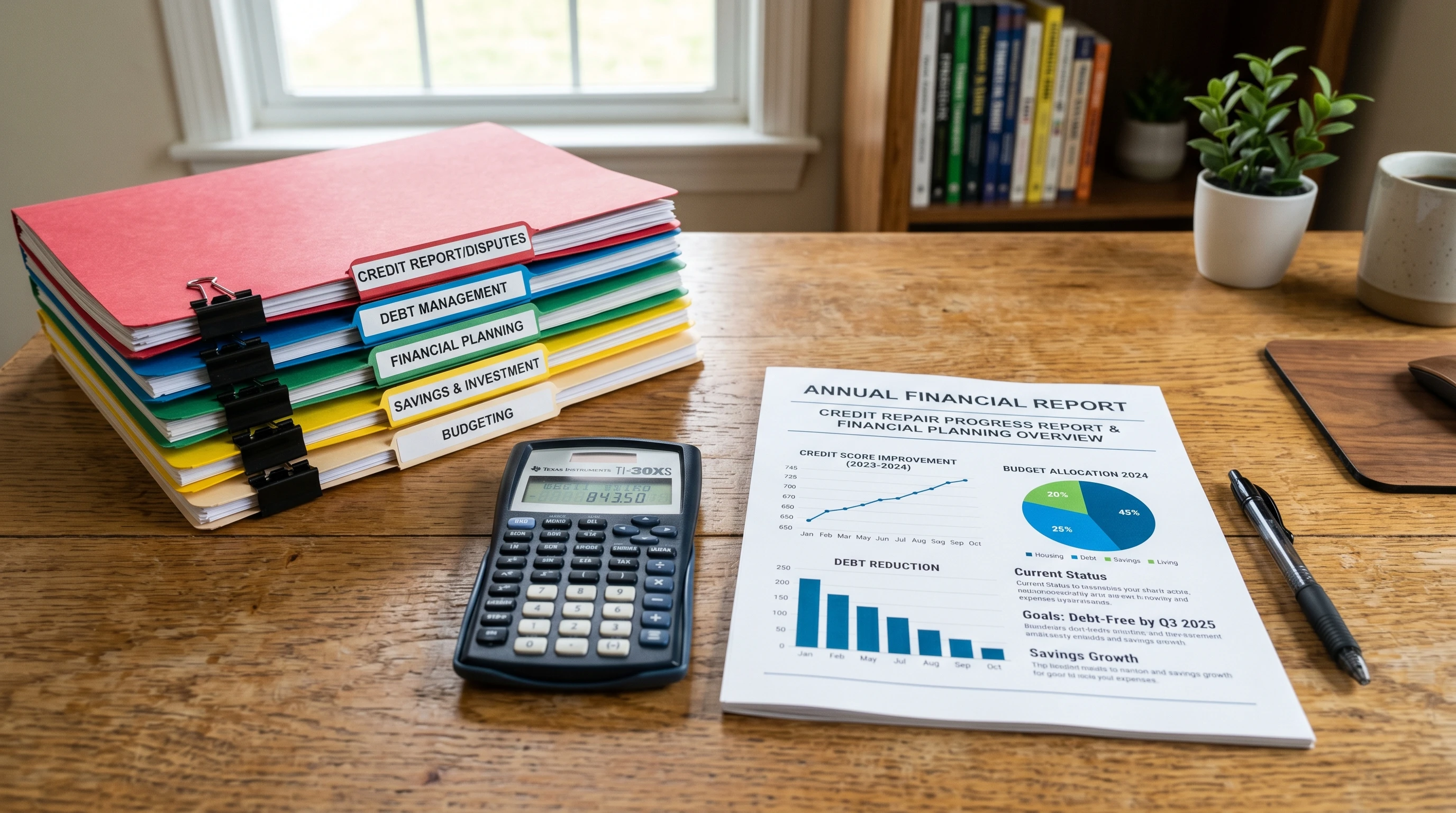
Understanding Credit Repair Basics
Credit repair is all about improving the information on your credit report so your score better reflects your current financial habits. Your credit report is a summary of how you borrow and repay money, and it comes from data collected by the major credit bureaus: Experian, Equifax, and TransUnion. This information impacts things like loan approvals, interest rates, and even renting an apartment, so it’s pretty important to keep things accurate and up to date.
The basics of credit repair usually mean correcting errors, building good credit habits, and negotiating with creditors where you can. You’re not just improving a number; you’re setting yourself up for a smoother time when you want to get a mortgage, car loan, or even certain jobs that check credit.
A low score can happen for a bunch of reasons, like late payments, high balances, or inaccurate info. The good news is, these are things you can work on—usually starting with reviewing your credit report and making simple, everyday changes that really pay off over time.
First Steps to Take On Your Credit Repair Adventure
The first thing most people need is a clear look at what’s actually in their credit file. Here’s how I like to start off:
- Get your free reports: Every year, you can pull free credit reports from all three bureaus at AnnualCreditReport.com. We always recommend grabbing all three because sometimes what’s on one might not be on another.
- Alternatively, you can schedule a free discovery call with Natural Service to have one of our Credit Optimization Specialists walk you through how to do this with your Experian account. Click here to learn more.
- Read through them slowly: Highlight anything that doesn’t look right, like old addresses, accounts you don’t recognize, or errors in payment info.
- Double-check account statuses: Late payments or collections that you know were settled might still show up as unpaid, so those are worth challenging.
This first review tells you what needs fixing and gives you a better sense of how your past choices appear to lenders right now. Don’t stress if you see some dings here or there; most people do the first time around.
Common Credit Problems You Can Work On
Some issues tend to pop up a lot, whether you’re brand new to credit or have run into tough luck. Here are a few of the problems I see, and some thoughts on what you can do about them:
- Errors and inaccuracies: Spelling mistakes, outdated addresses, or accounts you never opened are pretty common. Each one’s worth a dispute.
- Late payments: Even one late payment can ding your score. If they’re recent, call the creditor; sometimes they’ll remove it as a goodwill gesture if you’ve mostly paid on time.
- High credit card balances: Your credit utilization (basically how much credit you’re using versus your limits) has a big effect on your score. Try to keep balances under 30% of your total credit limit.
- Old collection accounts: Collections can stay on your report for up to seven years, but paying them off or negotiating a “pay for delete” can help your score start to recover.
Step-by-Step Guide: Repairing Your Credit Like a Pro
I find breaking things into steps makes credit repair way less overwhelming. Here’s the process I’ve used myself and walked friends through:
- Find and gather all your paperwork: Bills, account statements, and old credit card offers can help when you’re checking for mistakes.
- Dispute mistakes with the credit bureaus: Each bureau lets you file disputes online. Be specific about what’s wrong, and attach proof if you have it. Keep copies of everything you send.
- Contact creditors as needed: Sometimes you need to go straight to the source if the bureaus don’t update the info. Ask for updates in writing.
- Start making on-time payments every month: This one habit gives your score the biggest long-term boost. Set reminders, use automatic payments, whatever works for you.
- Pay down high balances: Even a small payment above the minimum each month chips away at your debt and improves your credit utilization rate.
- Add positive history: If you don’t have many accounts, look into a secured credit card or becoming an authorized user on a trusted friend or family member’s card.
This process starts to build momentum after a couple of months, as you see updated reports and maybe even watch your score inch up. It isn’t instant; however, every step moves you further along the path.
Things to Think About Before Starting Any Credit Repair Program
I always like to remind people that not every credit repair strategy or service out there is created equal. Here are a few pointers to keep in mind before you spend money or give away personal information:
- Watch out for scams: If a company promises overnight improvements or wants payment upfront, that’s usually a red flag. The FTC has a good guide on what to look for.
- DIY credit repair is effective: Most things a paid credit repair company does, you can do on your own for free or for very little money.
- Timing matters: Big loans (like mortgages) need a clean report. Start your repair process months before applying for a new loan if possible.
- New credit isn’t always a quick fix: Opening many new accounts at once can backfire, lowering your score for a while even if you pay on time.
Be Careful with Credit Repair Myths
There’s a lot of info floating around that makes credit repair feel harder than it has to be. You don’t need to pay someone to “erase” bad credit, and no one can instantly wipe out accurate negative information just by paying a fee. Patience, persistence, and regular monitoring get results way more reliably. Remember, fixing credit is mostly about putting better financial habits in place, and the results follow as long as you stick with your plan.
Tips and Tricks to Build Credit Faster
Once the basics are under control, there are a few moves I’ve tried myself that can help move your credit score in the right direction sooner rather than later:
Request credit limit increases: If you have a good payment record, sometimes your card issuer will bump up your limit if you ask; often, this can happen without a hard inquiry. Don’t use the extra credit, just enjoy the boost to your utilization ratio.
Make multiple payments a month: Paying your credit card bill a few times before the statement date can keep your balance low, so your report shows less debt.
Automate everything: Missing a payment by a day can still affect your score. Automatic payments remove the risk of forgetfulness.
Sign up for credit monitoring: Free tools from your bank or sites like Credit Karma alert you to changes and help you track progress, so you stay motivated and spot problems early.
Not every tip works for everyone, but even just one or two of these changes can add up to a surprisingly quick improvement. Getting notified about a score jump is always a good day.
Real-World Examples of Credit Repair Strategies
A close friend really turned things around after a divorce by keeping a spreadsheet of every monthly bill, so nothing slipped through the cracks. They set up text reminders and added recurring calendar alerts for due dates. Even paying $10 above the minimum each month made their balances drop, and after six months, their score was high enough to qualify for a better apartment.
Someone else I know used a secured credit card to start rebuilding after bankruptcy. By putting a few automatic payments (like their music streaming subscription) on the card and paying it off in full every month, they saw their score rebound faster than expected, plus they avoided interest charges entirely.
- Organized tracking: Helps make sure nothing gets missed and keeps you accountable as you repair your credit.
- Small but steady payments: Show your commitment and help knock down high balances efficiently.
- Mix of credit types: Having both installment (like a car loan) and revolving credit (like cards) can help, but only if you can handle the payments comfortably.
Frequently Asked Questions About Credit Repair
Question: How long does credit repair take?
Answer: Depending on how much you need to fix, it can take anywhere from a few months to a few years to see big changes. Quick improvements (like fixing errors) can happen in 30 days, but building a solid credit history takes time and regular effort.
Question: Will checking my credit report hurt my score?
Answer: Not at all. Checking your own credit is a “soft” inquiry; it doesn’t lower your score or show up to lenders, so you can do it as often as you like to keep an eye on your progress.
Question: Can I really do credit repair myself, or do I need to hire an expert?
Answer: Absolutely, you can do it on your own. Expertise helps in rare cases, but most people see great results with DIY strategies. All you need is patience, good resources, and the willingness to follow up.
Putting It All Together
Taking the first steps toward better credit can feel like a lot, but every action—reviewing your report, making payments on time, keeping balances low—makes a real difference. Building better credit is less about magic fixes and more about forming habits you can stick with over the long haul. The earlier you start, the sooner you’ll see results, and the more prepared you’ll be for whatever’s next in your financial life. Stay consistent, track your progress, and celebrate each win along the way. You’ve got this.
For even more ways to give your credit a boost, check out local community services or nonprofit credit counselors, especially if you hit a tough patch. They often offer free workshops and expert advice, which can be helpful if you want a little extra support or just have questions about the process.
#NaturalSvcHR